Selling a historic home in Winter Park at a luxury level is not about making it look brand new. It is about helping buyers see the value of what is already there. If you own an older home with original details, you may be wondering what to update, what to leave alone, and how to prepare for scrutiny from both buyers and the city. This guide walks you through how to get your home market-ready while protecting the character that makes it special. Let’s dive in.
Start With Historic Status
Before you plan cosmetic work, confirm whether your home is locally designated or located in a historic district. Winter Park maintains a Historic Preservation Division and Register of Historic Places, and the city has identified several heritage areas, including College Quarter, East Virginia Heights, Downtown, and Interlachen.
That step matters because exterior changes to designated landmarks, properties, and districts may require a Certificate of Review. Winter Park advises owners to speak with staff before spending heavily on plans or surveys, which can save you time and avoid missteps early in the process.
What Winter Park Reviews
If your property is designated, the city reviews exterior alterations and new construction, not interior changes. The review considers historical significance, architectural style, design, arrangement, texture, and materials.
In practical terms, that means your prep plan should respect the home’s existing architecture. If you are considering exterior painting, porch work, windows, additions, or major façade changes, verify requirements first.
What Designation Does Not Mean
Historic designation does not mean you must fully restore the home. Winter Park states that designation does not require restoration, does not affect tax valuation, and allows changes when they remain compatible with the existing architecture.
That is good news for sellers. You can improve presentation and function without stripping away the details that luxury buyers often value most.
Focus on Character, Not Over-Remodeling
In Winter Park, historic appeal is often part of the value story. The city notes that preservation helps maintain property values because buyers appreciate authentic character and materials.
That creates a different strategy than a standard renovation-first listing. For a luxury sale, your goal is usually to present the home as carefully maintained, thoughtfully updated, and architecturally honest.
Preserve the Details Buyers Notice
Winter Park specifically highlights interior features such as heart pine floors, fixtures, cypress paneling, and built-ins as details worth preserving or reusing. If your home has those features, they should usually be cleaned, repaired, and highlighted rather than removed.
Original materials can help a historic home stand apart in a competitive market. They also reinforce authenticity, which matters when buyers are paying for design, rarity, and setting.
Choose Updates That Respect the Home
A good prep plan often includes low-disruption improvements that sharpen presentation without erasing character. Think selective paint touch-ups, floor refinishing instead of replacement, period-aware lighting and hardware, and landscaping that frames the house rather than hides it.
Winter Park’s preservation approach emphasizes repair over replacement and encourages new work to be compatible in size, scale, proportion, and massing. That is especially important if you are tempted to swap distinctive materials for generic modern finishes.
Prepare the Exterior Carefully
For many luxury buyers, the first impression starts before they step inside. In a historic Winter Park home, curb appeal is not just about neatness. It is about revealing the architecture.
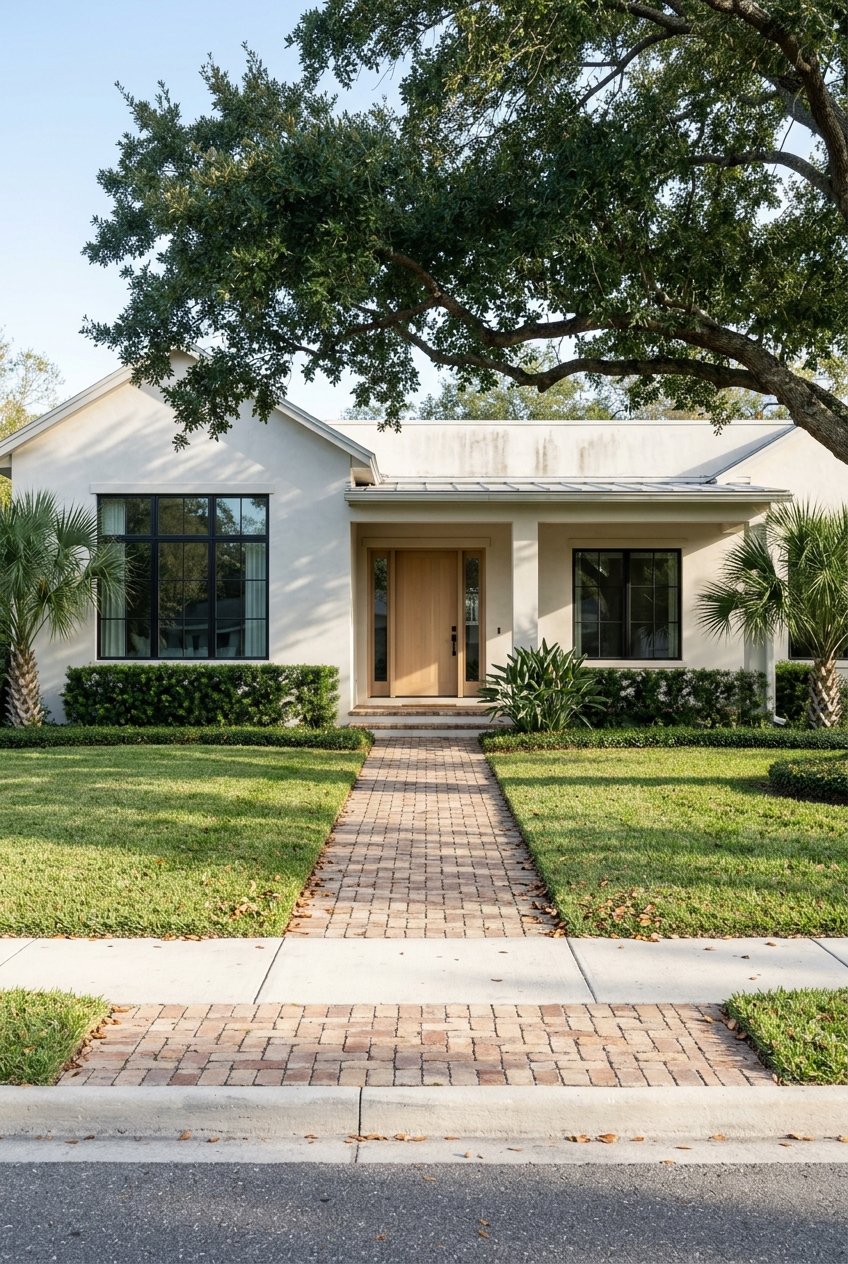
Clean up landscaping so the façade, porch, windows, and roofline are easy to see. Trim back plantings, refresh paths, and make sure the approach to the home feels polished and intentional.
Keep Additions and Changes Compatible
If your property is designated and you are considering larger improvements, compatibility matters. Winter Park says additions should generally be placed on secondary facades and remain in scale and character with the home.
Even if you are not planning a major project before listing, this principle can shape how you present recent improvements. Buyers respond well when updates feel integrated rather than imposed.
Get Ahead of Inspections and Repairs
Historic homes tend to attract thoughtful buyers, and thoughtful buyers tend to look closely. A pre-sale inspection can help you understand what they are likely to notice before your home hits the market.
Common inspection areas include the structure, exterior, roof, plumbing, electrical, HVAC, interiors, insulation and ventilation, and fireplaces. For older homes, this can be especially useful because age-related concerns often need context, documentation, or repair estimates.
Why a Pre-Sale Inspection Helps
A pre-sale inspection gives you time to decide what to fix, what to monitor, and what to price around. It can also help you gather estimates for major items, such as an older roof, so you can negotiate from a more prepared position.
Not every aging component needs to be replaced before a sale. But luxury buyers do expect clarity, and surprises late in the process can weaken leverage.
Common Older-Home Issues to Review
Before listing, pay close attention to:
- Roof age and condition
- Drainage and moisture concerns
- Foundation or settlement issues
- Electrical systems and wiring
- HVAC performance
- Plumbing function
- Safety-related items noted by inspectors
If repairs are needed, prioritize the items that affect buyer confidence most. Clean documentation can be just as important as the repair itself.
Understand Lead Disclosure Rules
If your home was built before 1978, lead-based paint rules apply. Sellers must disclose any known information about lead-based paint hazards and provide available records.
Buyers must also receive the required lead hazard pamphlet, the contract must include required lead language, and buyers must be given time to conduct a lead inspection. If any pre-listing renovation will disturb lead paint, that work should be handled by a lead-safe certified renovator.
Stage for Architecture and Scale
Luxury staging in a historic home should support the architecture, not compete with it. Buyers should notice the ceiling height, natural light, millwork, flooring, and room flow before they notice accessories.
That usually means editing heavily. Remove clutter, simplify surfaces, and let standout materials and craftsmanship carry the visual story.
What Staging Should Accomplish
Staging helps buyers picture the property as their future home. According to NAR, 83% of buyers’ agents said staging makes that easier, and more than a quarter of real estate professionals said staged homes netted 1% to 10% more in offered value.
In a historic property, staging can also solve another challenge. It helps bridge the gap between old-house charm and modern livability.
Simple Staging Moves That Work
Focus on the basics that improve every showing:
- Deep clean every room
- Declutter shelves, counters, and tabletops
- Neutralize strong odors
- Simplify furniture layouts
- Use a few intentional accessories
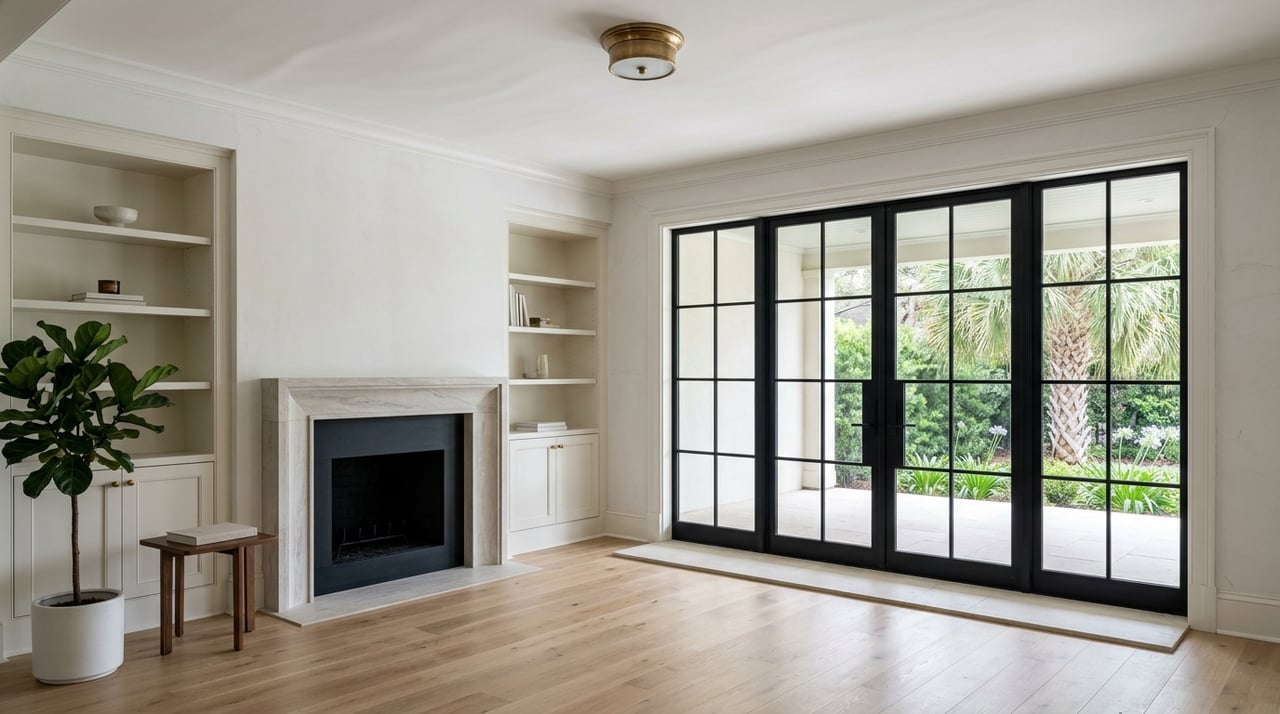
- Highlight original built-ins, fireplaces, and flooring
- Keep window coverings open where possible for natural light
The camera will magnify clutter and awkward layouts. What feels acceptable in daily life often reads busy online.
Build a Strong Photo and Video Plan
Most buyers will meet your home online first. That is especially true in the luxury market, where polished digital presentation shapes early interest and showing quality.
High-resolution photography and video are essential. Historic homes benefit from this even more because details such as trim, materials, and spatial rhythm often need careful framing to come through.
Prepare for the Photo Shoot
Before photography day, make rooms spotless and remove distracting items. Open blinds for natural light, tidy porches and entries, and be intentional about what stays in view.
A strong visual package should show both the home’s elegance and its authenticity. That balance is key when the architecture is part of the value proposition.
Be Honest With Image Editing
If virtual staging or other image enhancements are used, any edits that materially alter the property should be disclosed. Historic buyers tend to care about accuracy, and trust is too important to risk with over-edited marketing.
The best luxury presentation does not invent appeal. It reveals it.
Create a Smart Pre-Listing Checklist
If you are preparing a historic Winter Park home for sale, keep your plan focused and measured. Start with what protects value, supports presentation, and reduces friction once buyers begin their diligence.
A practical checklist often includes:
- Confirm local historic designation status
- Check whether any exterior work requires a Certificate of Review
- Consult Winter Park staff before major exterior planning
- Repair and highlight original features where possible
- Refresh paint, hardware, lighting, and landscaping carefully
- Schedule a pre-sale inspection
- Gather repair invoices and major-item estimates
- Prepare any required pre-1978 lead disclosures
- Declutter, deep clean, and stage with restraint
- Plan premium photography and video
Why Strategy Matters in Winter Park
Winter Park buyers often respond to nuance. They are not only evaluating square footage and finishes. They are also evaluating architecture, setting, materials, preservation, and the quality of updates over time.
That is why preparing a historic home for a luxury sale requires more than a standard checklist. It calls for local knowledge, design sensitivity, and a presentation strategy that respects what makes the property rare.
If you are considering selling a historic home in Winter Park, a thoughtful plan can help you protect character, build buyer confidence, and bring the home to market in its strongest light. When you are ready for tailored guidance and polished marketing, connect with Drew Henner.
FAQs
What should you update before selling a historic home in Winter Park?
- Focus on repairs and presentation that preserve character, such as refinishing original floors, selective paint touch-ups, period-aware hardware or lighting, and landscape cleanup that showcases the architecture.
Does a historic Winter Park home need approval for exterior changes before listing?
- If the home is a designated landmark, property, or in a designated district, exterior alterations and new construction may require a Certificate of Review from Winter Park.
Should you replace original features in a historic luxury home?
- Usually, no. Original features like heart pine floors, cypress paneling, fixtures, and built-ins are often worth preserving, repairing, and highlighting because they support authenticity and buyer appeal.
Is a pre-sale inspection helpful for an older Winter Park home?
- Yes. A pre-sale inspection can identify issues early, give you time to make repairs or gather estimates, and help you negotiate with better preparation.
What disclosures matter for a Winter Park home built before 1978?
- Sellers must disclose any known lead-based paint hazards and available records, provide the required lead information, include required contract language, and allow buyers time for a lead inspection.