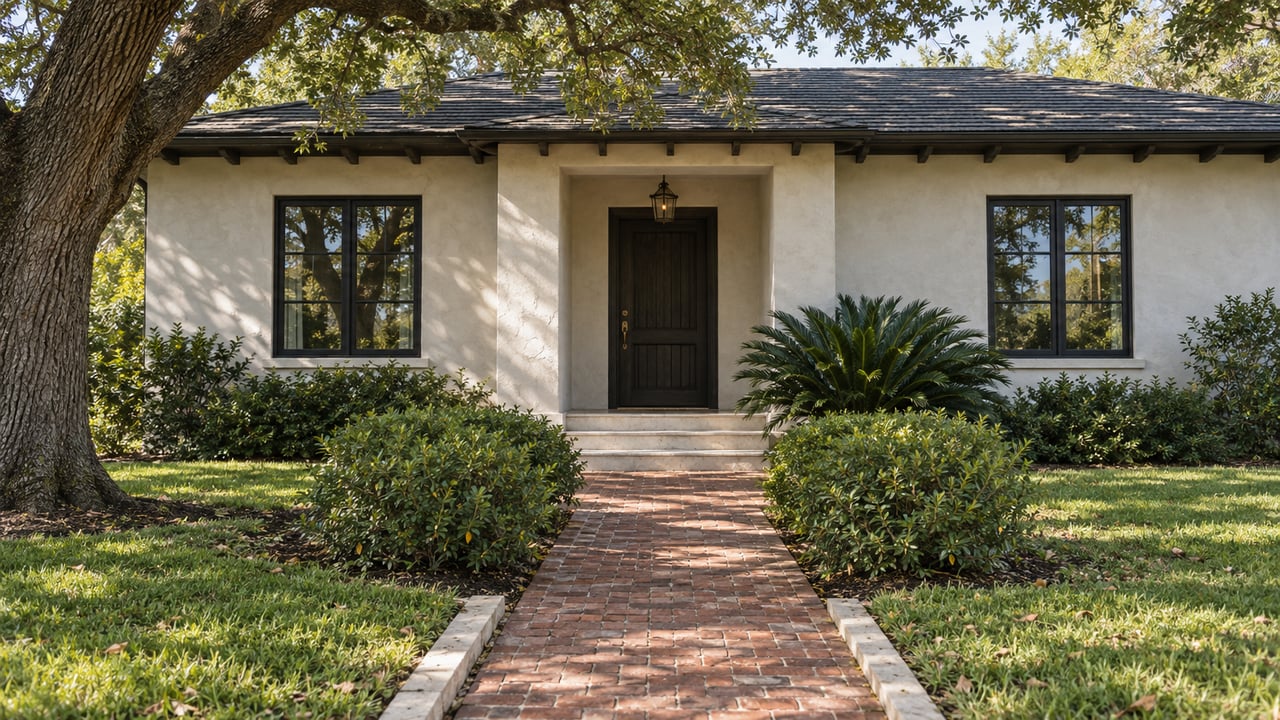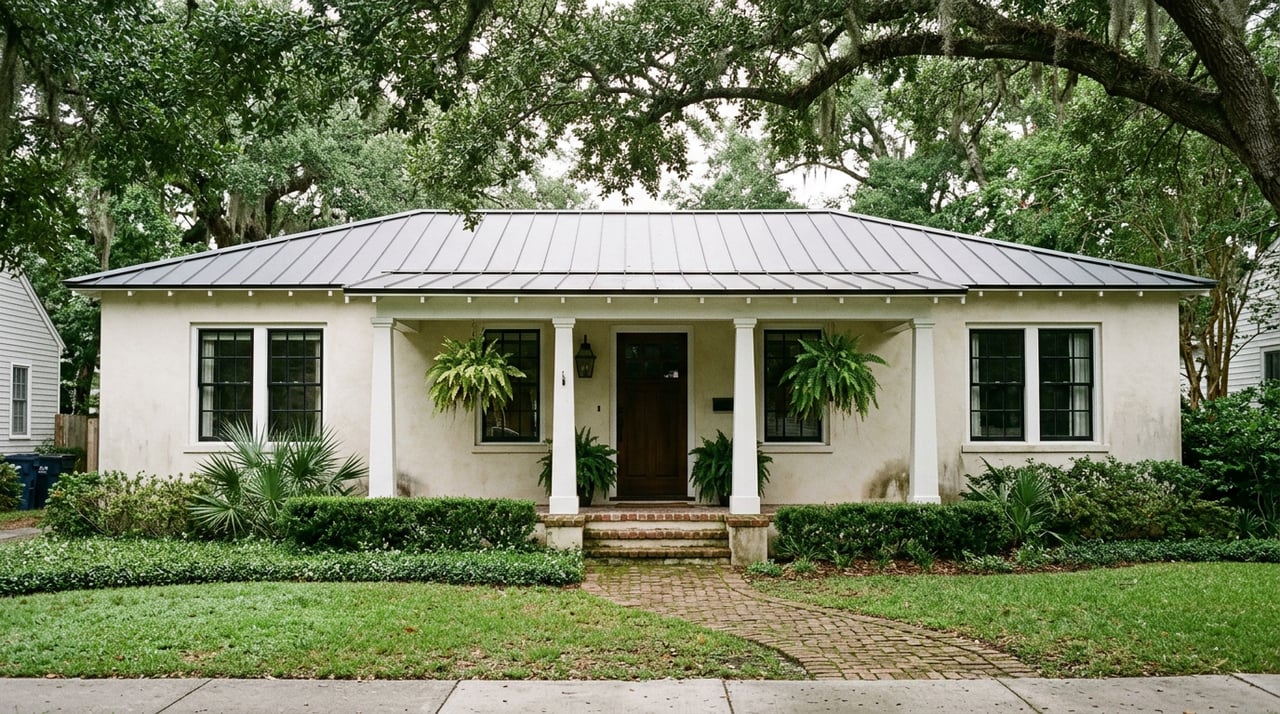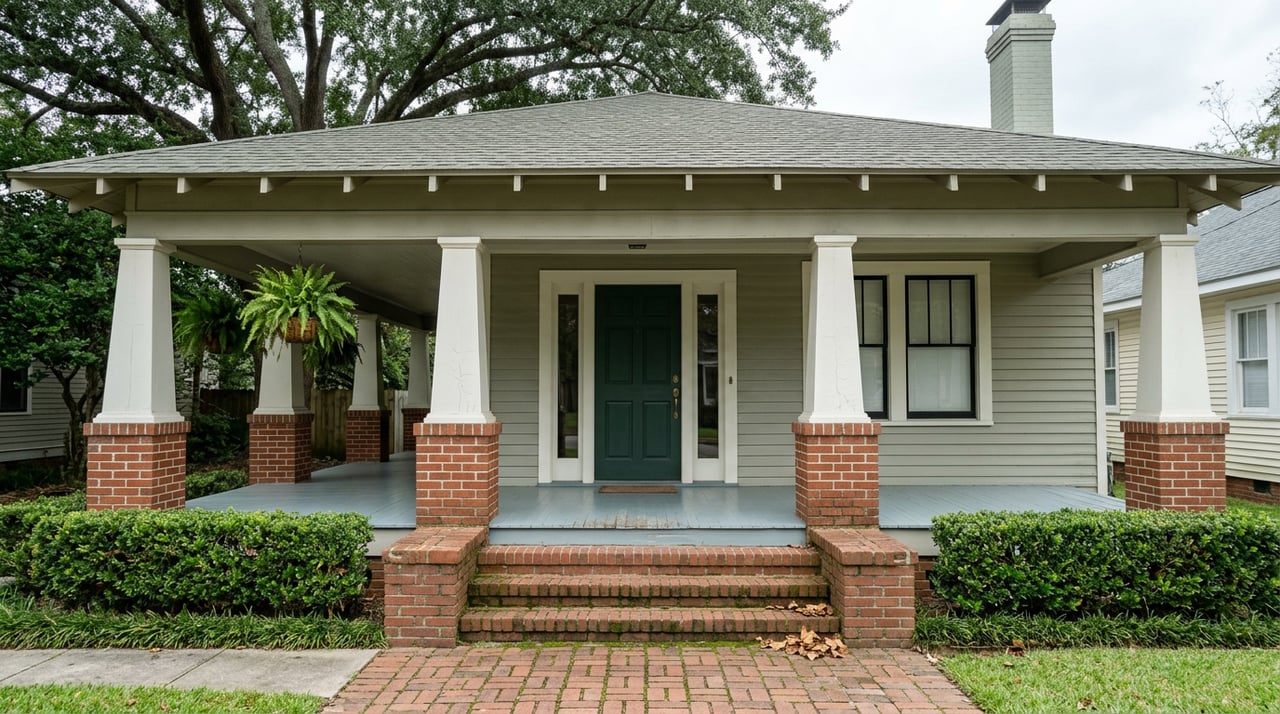
Somewhere on Harvard or Princeton or one of the other university-named streets that give College Park its identity, a seller is getting ready to list a 1920s bungalow and bracing for a fight with a historic review board. It's a reasonable assumption. The oaks are old, the porches are original, and the whole neighborhood reads like a preservation district. The seller pulls permits, checks with the city about paint colors and window replacements, and waits for pushback that never comes.
That's because College Park was never designated one of Orlando's six historic preservation districts. The pushback that does eventually arrive comes from somewhere else entirely: an insurance underwriter reading a four-point inspection report, deciding whether the buyer's loan closes on time or stalls while someone replaces a drain stack.
The Preservation Board That Isn't There
Orlando has six locally designated historic districts where exterior changes go through a Certificate of Appropriateness before a permit is issued: Downtown, Lake Cherokee, Lake Copeland, Lake Eola Heights, Lake Lawsona, and Colonialtown South. College Park, despite being built out largely between 1920 and 1950 with the same Craftsman bungalows and Mediterranean Revival cottages you'd find in any of those districts, isn't on that list.
That doesn't mean nobody's watching. The College Park Neighborhood Association, active since 1987, keeps an eye on demolition permits and infill construction as a way of protecting the character residents moved there for. But that's community pressure, not code. A College Park remodel still runs through standard City of Orlando permitting, pulled in the contractor's name, with no design review board signing off on your window style or roofline. If you're renovating a bungalow in one of the six designated districts, you need that Certificate of Appropriateness. If you're renovating one in College Park, you don't.
That freedom is real, and it's one reason the neighborhood's builders and remodelers describe it as a distinct submarket from Orlando's designated historic districts. But the absence of a preservation board doesn't mean the absence of scrutiny. It just means the scrutiny shows up somewhere the seller wasn't expecting it.
The Review That Actually Happens
Every home over a certain age in Florida runs into a four-point inspection at some point in a transaction, and College Park's housing stock, most of it dating to the 1920s through 1950s, is well past that age. Citizens Property Insurance Corporation, Florida's state-backed insurer, requires a four-point report on applications for homes more than 20 years old. Private carriers set their own thresholds, historically landing anywhere from 20 to 40 years, though several carriers have pushed that threshold back toward 25 or 30 years as Florida's insurance market has loosened somewhat over the course of 2026.
The inspection itself is narrow by design. It doesn't evaluate the whole house the way a full home inspection does. It looks at four systems only, and it looks at them because those four systems generate the most insurance claims in a state built on hurricanes, humidity, and aging infrastructure.
| System | What the inspector documents | What tends to show up in College Park's era of homes |
|---|---|---|
| Roof | Covering material, age, visible wear, remaining useful life | Varies widely; depends on last replacement, not build year |
| Electrical | Panel brand and capacity, wiring type, GFCI/AFCI protection | Knob-and-tube wiring, older panel brands, aluminum branch wiring |
| Plumbing | Pipe materials, water heater age, visible leaks | Galvanized or polybutylene supply lines, original cast-iron drain stacks |
| HVAC | System type, age, performance | Central systems added later, sometimes past their typical service life |
A local remodeling contractor that specializes in this housing stock, Karhan Construction & Remodeling, lists knob-and-tube wiring, plaster-and-lath walls, original cast-iron drain stacks, and sloped subfloors among the conditions it routinely finds once it opens a wall in a College Park bungalow. None of those show up on a listing photo. All of them show up on a four-point report.
What Gets Flagged, and What It Costs to Fix
Not every finding sinks a deal. A four-point inspection has no pass or fail; it's a risk snapshot an underwriter uses to decide whether to write a policy, price it higher, or ask for repairs first. The findings that tend to cause real trouble are specific: electrical panels from brands like Federal Pacific or Zinsco, which some carriers decline outright regardless of condition, and plumbing systems still running on galvanized or polybutylene pipe, which reads as a future leak claim rather than a current one.
The inspection itself is inexpensive relative to what it protects against. Rocket Mortgage puts the typical cost between $75 and $250, sometimes higher depending on the market, and it can be completed in well under two hours. Ordering one bundled with a wind mitigation inspection, which many College Park sellers also need given the roof-and-storm exposure built into every Central Florida policy, usually costs less than ordering the two separately.
The 2026 insurance market has given College Park sellers a little more room than they had a year or two ago. Several carriers are now accepting older roofs with actual cash value endorsements instead of declining coverage outright, and some have moved their four-point age trigger back from 20 years to 25 or 30. That's meaningful for a neighborhood where nearly every home was built before 1950, but it's not a reason to skip the inspection. It's a reason to order it early enough to still have options if something gets flagged.
A hundred-year-old roofline doesn't concern an underwriter. A cast-iron stack behind a wall, or a panel brand pulled from the market decades ago, does.
Reading College Park's Days on Market Correctly
From late 2025 through early 2026, median sale prices in College Park ran roughly $575,000 to $760,000 depending on the slice of inventory, with updated bungalows clearing $700,000 and lakefront homes on Lake Ivanhoe or Lake Adair routinely passing $2 million. Homes in that window averaged 60 or more days on market, longer than the broader Orlando metro.
The easy explanation is that sellers are holding firm on price in a supply-constrained, fully built-out neighborhood, and that's part of it. But a chunk of that extra time on market is inspection friction that never shows up in a listing description. A home goes under contract, the buyer's lender orders the four-point report, and a panel brand or a plumbing material pushes the closing timeline out while someone gets a repair quote or a second insurance quote from a carrier with looser underwriting. Cash buyers, who are common above $1.5 million in this market, skip a chunk of that friction entirely because they're not waiting on a lender's insurance requirement to close. That's one more reason the neighborhood's higher end tends to move on a different clock than everything under it.
If You're Selling
The sellers who avoid last-minute surprises are the ones who order their own four-point inspection before listing, not after an accepted offer. It costs less than a weekend of staging and it tells you exactly what a buyer's lender is going to see. If the panel is a flagged brand or the supply lines are original galvanized pipe, you have time to get ahead of it with a quote, a partial upgrade, or a price that already accounts for it. Keeping permit records handy also helps. Since College Park sits outside the city's historic districts, any electrical or plumbing work you've had done went through standard City of Orlando permitting rather than a preservation board, and having that paperwork ready shortens the back-and-forth once a buyer's underwriter starts asking questions.
If You're Buying
Budget for the inspection early and don't assume a passed four-point means the home is in good overall condition. It isn't a full inspection, and it was never designed to be one. It tells an insurer whether it wants to write your policy. A separate full home inspection, which most buyers of a College Park bungalow order anyway given the age of the housing stock, is what tells you whether that cast-iron stack or original wiring is something to negotiate on or simply something to plan around over the next few years.
A Few Questions Worth Asking Directly
Does College Park's historic feel mean it's protected the way Lake Eola Heights or Colonialtown South are? No. Those neighborhoods are among Orlando's six designated historic districts, where exterior changes require a Certificate of Appropriateness. College Park isn't on that list, so renovations there go through standard city permitting only.
Is a four-point inspection the same as a full home inspection? No. A four-point looks only at roof, electrical, plumbing, and HVAC for insurance underwriting purposes. A full inspection covers the entire property and is what most buyers of an older home order in addition to it.
Will passing a four-point in 2026 guarantee standard coverage? Not automatically. Some carriers have loosened their age thresholds and roof requirements during 2026, but underwriting still varies by company. A clean report improves your odds and your pricing; it doesn't remove the need to shop the policy.
If you're weighing a College Park bungalow, whether you're the one selling it or the one about to fall for its front porch, the details that decide the timeline aren't always the ones a listing photo shows you. That's the kind of thing worth talking through before you're mid-contract. Drew Henner has spent his career reading Central Florida's older neighborhoods this closely. Let's Connect.